How to Build a Real Estate Website That Converts Visitors into Clients
Imagine a potential client lands on your website before meeting you or seeing your listings. Their decision to reach out - or keep searching - hinges on what they experience in those first moments.
Websites for real estate have become the essential entry point for agents and brokers in 2025. Your digital front door sets expectations, shapes perceptions, and determines whether trust is built instantly or lost to a competitor.
Today’s buyers and sellers demand current listings, expert local insights, and effortless browsing—all before taking the next step. Research shows that most users decide within seconds if your real estate website feels trustworthy and reliable.
But it’s not just about looking polished. A high-converting site strategically guides every visitor toward action, capturing genuine inquiries and new business in a fiercely competitive landscape. In short: if you want to grow commissions and close deals, your website must convert curiosity into client connections.

What Really Sets High-Converting Real Estate Websites Apart?
First impressions matter a lot. If your website isn’t intuitive, visually appealing, and lightning-fast across all devices, potential clients won’t stick around. User experience (UX) is central to every successful build.
Seamless Mobile Experience: Your site should adapt fluidly to phones and tablets. Nearly 60% of property searches now begin on mobile (National Association of Realtors, 2023).
Intuitive Search Tools: Include search bars and smart filters for price, location, and property features. Fast results keep users engaged.
Immersive Visuals: Invest in high-resolution photos, video walkthroughs, and virtual tours. These bring listings to life and set your website apart from generic portals.
Visible Trust Signals: Scatter genuine testimonials, sales milestones, and verified badges across key pages. This reassures even skeptical visitors.
Interactive Maps & Local Guides: Integrate maps showing parks, schools, and amenities. Share short guides about neighborhoods to provide context and value.
Instant Contact Options: Add chat widgets, quick-request forms, or click-to-call buttons so visitors can act the moment interest strikes.
Speed matters. Google found that over half of mobile users abandon sites if they load in more than three seconds (Google/SOASTA Research, 2017). Every second counts in retaining your next client.
Finally, structure every page with prominent calls to action and streamlined forms. Each feature - search tools, visuals, testimonials - should nudge the visitor one step closer to a meaningful interaction or lead.

Why Every Agent Needs a Real Estate Website in 2025 - Beyond Social Media
Social platforms can quickly boost your visibility, but they ultimately limit your control. You don’t truly own your audience or the data when relying on social media alone.
Building your own website for real estate gives you the authority to shape your brand, highlight specialties, and decide how visitors engage with your listings. You’re not subject to changing platform algorithms or sudden policy shifts.
A website can appear in local Google searches, generate leads at all hours, and establish professionalism buyers and sellers immediately recognize. In fact, agents with robust websites are often trusted more for major decisions.
SEO can extend your reach far beyond your follower count, connecting you to clients searching for homes in your exact markets. With built-in analytics, you don’t just collect likes - you understand how visitors interact and what prompts them to reach out.
Key insight: 97% of homebuyers start their search online - having a website means you’re ready the moment they are. (National Association of Realtors, 2023)

Curious about ranking higher and driving even more leads? Read about proven strategies in our AI websites and SEO best practices guide.
How to Build a Real Estate Website Fast—No Coding Required
Think building a professional website means big budgets or tricky code? Not anymore. Modern AI website builders for real estate, like Instago, remove those barriers entirely.
Instead of hiring developers, you can launch your real estate website in minutes. No technical skills needed - just your property information and vision for your brand.
Sign Up: Get started online without any complex setup.
Enter Description: Add property details, descriptions, and eye-catching images. Group by type or location for easy browsing.
Pick Your Template: Choose from layout templates.
Customize Branding: Adjust colors, upload your logo, and personalize contact details to reflect your style.
Edit, preview and Publish: Check your website instantly and go live with a single click. Your listings are now viewable anywhere, anytime.
Want a step-by-step walkthrough? Explore our AI website builder tutorial for agents.
Ready to build your own site? Discover how easy it is with Instago—launch without code, headaches, or long delays.
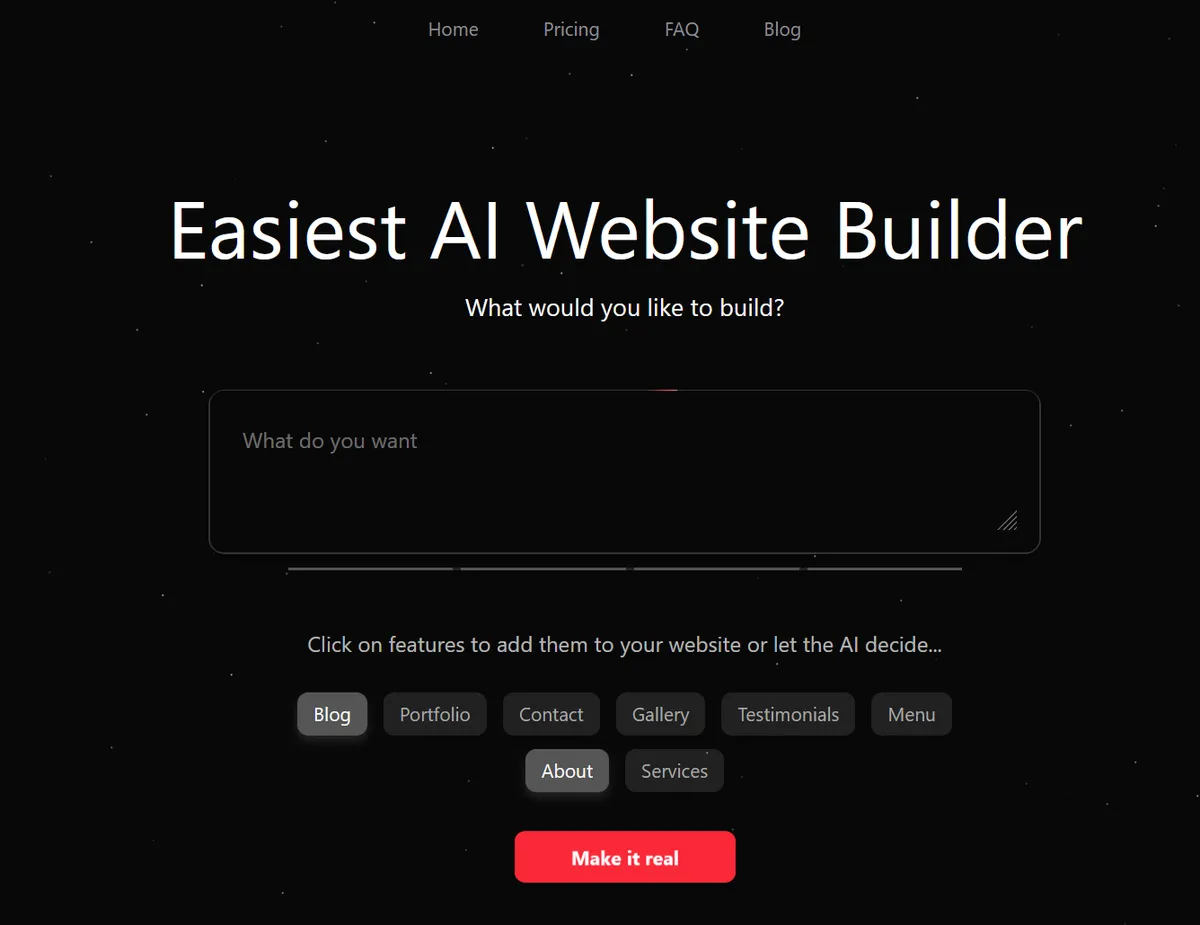
Why Instago Outperforms Other Website Tools for Real Estate
Launch in Minutes: Avoid complicated setups and get your listings online quickly.
AI-Enhanced SEO: Automatically optimize property details and pages to reach more buyers and sellers in your local area.
Additional SEO Features: Utilize AI-generated blog content and translations to enhance your online presence.
Responsive on Any Device: Enjoy reliable, stylish layouts for both mobile and desktop users, ensuring you never miss a lead.
Dedicated Support: If needed, contact us for support. Real humans are ready to assist you.
With Instago, even agents new to technology can launch a results-driven website without hours spent troubleshooting or maintaining plugins. The focus stays on selling homes - not solving technical problems.
Ready to start? Try Instago today and experience how easy it is to build a high-converting real estate website - no stress, no coding, just professional results.